United States of America
Bharat Friends Index
Diplomatic Ties & Social Warmth
Why United States of America?
Recent Sentiment
Diplomatic & Official Rhetoric has seen a notable downturn, marked by overtly hostile remarks from the highest levels of the U.S. government. Most prominently, U.S. President Donald Trump recently reposted a derogatory social media comment referring to India as a 'hellhole'. This sparked a strong rebuke from India's Ministry of External Affairs, which described the comments as 'uninformed, inappropriate and in poor taste' and not reflective of the bilateral relationship. Attempts by the U.S. Embassy to mitigate the damage by stating the President considers India a 'great country' led by a 'good friend' were insufficient to erase the negative impact. Further exacerbating tensions are the punitive tariffs imposed by the U.S. on Indian exports, initially at 25% and then doubled to a staggering 50% due to India's continued purchase of Russian oil, measures that India has denounced as 'unfair, unjustified and unreasonable'. The U.S. has also signaled a strategic re-evaluation, with Deputy Secretary of State Christopher Landau stating Washington 'will not repeat its China mistake,' implying a reluctance to allow India to become too economically competitive and potentially limiting technology transfers. This new 'India doctrine' suggests a more transactional approach, further reinforced by the Pentagon's decision to reportedly drop 'Indo' from 'Indo-Pacific,' potentially downgrading India's strategic role. While U.S. Secretary of State Marco Rubio's visit in May 2026 aimed to 'repair' strained ties and emphasized India's importance as a strategic partner, these efforts appear to be largely damage control amidst a backdrop of increasing friction, including concerns raised by India about perceived U.S. favoritism towards Pakistan and offers to mediate the Kashmir dispute.
The Media Narrative in the U.S. largely reflects these growing tensions, with critical coverage highlighting the diplomatic friction and trade disputes. Media outlets have reported on the 'hellhole' comments and the resulting diplomatic fallout. There are also indications of a critical stance, with accusations from some Indian sources of U.S. mainstream media disseminating 'misleading, unverified, and outright false narratives about India'. This contributes to a narrative of waning enthusiasm for the U.S. within India, as reported by outlets discussing the 'fraying' pro-U.S. consensus. Public Perception & Tourism reveal a significant decline in goodwill and increased challenges. A recent Carnegie survey (February 2026) indicated that nearly 40% of Indian Americans have considered leaving the U.S. due to 'economic, social, and political turbulence,' coupled with a 'notable rise in online hate speech and discrimination against Indian Americans'. This sentiment is further supported by a 2026 survey showing half of Indian American respondents experienced discrimination based on skin color, origin, or religion. Concerns over stricter H-1B visa rules are also contributing to 'travel fear' among Indian immigrants. Furthermore, there has been a reported decline in Indian tourist arrivals to the U.S. by approximately four percent in May 2026, attributed to shifting preferences, economic pressures, and visa processing challenges. Discussions in public discourse, including social media, reflect a 'growing scrutiny' and debate over the behavior of Indian tourists abroad, often leading to criticism.
Overall, the deep, multi-faceted analysis reveals a dramatic shift from the previous positive sentiment. The U.S. President's derogatory remarks, coupled with severe trade tariffs and an explicit strategic re-evaluation that appears to position India more transactionally rather than as an unreserved 'trusted friend,' have severely undermined bilateral trust. The rise in discrimination against the Indian diaspora and declining public goodwill further exacerbate the negative trend, leading to a score reflecting significant diplomatic tensions and openly hostile rhetoric in critical areas of the relationship.
Reasons to Visit
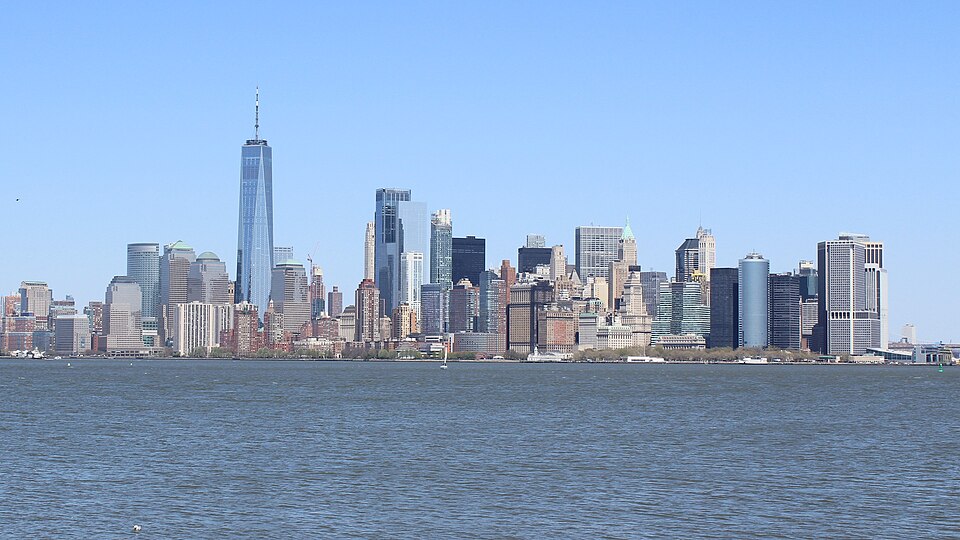
The United States of America stands as an unparalleled travel destination for Indian tourists, offering an incredible mosaic of experiences. With a consistently high Popularity Score of 9/10, it's clear why millions flock here annually: from iconic cityscapes and thrilling theme parks to breathtaking national parks and vibrant cultural hubs, there's literally something for every type of traveler. The country also boasts a solid Safety Score of 7.5/10, ensuring peace of mind as you navigate its diverse regions, which are generally well-equipped with world-class infrastructure and services designed for visitors. While the Friendliness Index (BFI) of 7/10 indicates a generally welcoming population, particularly in tourist-centric areas, the vast cultural diversity means you'll often encounter familiar faces and flavors, making the transition smoother for Indian visitors. Beyond the scores, imagine exploring Hollywood's glamour, New York's pulsating energy, California's scenic beauty, or Florida's family fun – all within a single trip. The USA is a land of dreams, offering not just sights but unforgettable adventures, incredible shopping, and a culinary scene that caters to every palate, including a thriving Indian food landscape.
Performance Breakdown
UN and Multilateral Voting Alignment
65Diplomatic alignment between the United States and India over the last 10 years demonstrates a mixed pattern of convergence on strategic issues and divergences on others. There is strong alignment on counter-terrorism efforts, with the U.S. consistently supporting India's positions against Pakistan-based terror groups at the UNSC 1267 committee and in multilateral forums like the FATF. The U.S. also supports India's aspiration for a permanent seat on a reformed UN Security Council and largely aligns with India's stance by viewing Kashmir as a bilateral issue, discouraging internationalization. However, significant divergences are evident, particularly concerning Russia's actions in Ukraine, where India has consistently abstained from UN General Assembly and Security Council resolutions condemning Russia, contrasting sharply with the U.S.'s strong condemnation and leadership on sanctions. Broader UN General Assembly voting patterns also frequently show divergences reflecting India's traditional non-aligned foreign policy.
Sentiment Score
100Diplomatic & Official Rhetoric has seen a notable downturn, marked by overtly hostile remarks from the highest levels of the U.S. government. Most prominently, U.S. President Donald Trump recently reposted a derogatory social media comment referring to India as a 'hellhole'. This sparked a strong rebuke from India's Ministry of External Affairs, which described the comments as 'uninformed, inappropriate and in poor taste' and not reflective of the bilateral relationship. Attempts by the U.S. Embassy to mitigate the damage by stating the President considers India a 'great country' led by a 'good friend' were insufficient to erase the negative impact. Further exacerbating tensions are the punitive tariffs imposed by the U.S. on Indian exports, initially at 25% and then doubled to a staggering 50% due to India's continued purchase of Russian oil, measures that India has denounced as 'unfair, unjustified and unreasonable'. The U.S. has also signaled a strategic re-evaluation, with Deputy Secretary of State Christopher Landau stating Washington 'will not repeat its China mistake,' implying a reluctance to allow India to become too economically competitive and potentially limiting technology transfers. This new 'India doctrine' suggests a more transactional approach, further reinforced by the Pentagon's decision to reportedly drop 'Indo' from 'Indo-Pacific,' potentially downgrading India's strategic role. While U.S. Secretary of State Marco Rubio's visit in May 2026 aimed to 'repair' strained ties and emphasized India's importance as a strategic partner, these efforts appear to be largely damage control amidst a backdrop of increasing friction, including concerns raised by India about perceived U.S. favoritism towards Pakistan and offers to mediate the Kashmir dispute. The Media Narrative in the U.S. largely reflects these growing tensions, with critical coverage highlighting the diplomatic friction and trade disputes. Media outlets have reported on the 'hellhole' comments and the resulting diplomatic fallout. There are also indications of a critical stance, with accusations from some Indian sources of U.S. mainstream media disseminating 'misleading, unverified, and outright false narratives about India'. This contributes to a narrative of waning enthusiasm for the U.S. within India, as reported by outlets discussing the 'fraying' pro-U.S. consensus. Public Perception & Tourism reveal a significant decline in goodwill and increased challenges. A recent Carnegie survey (February 2026) indicated that nearly 40% of Indian Americans have considered leaving the U.S. due to 'economic, social, and political turbulence,' coupled with a 'notable rise in online hate speech and discrimination against Indian Americans'. This sentiment is further supported by a 2026 survey showing half of Indian American respondents experienced discrimination based on skin color, origin, or religion. Concerns over stricter H-1B visa rules are also contributing to 'travel fear' among Indian immigrants. Furthermore, there has been a reported decline in Indian tourist arrivals to the U.S. by approximately four percent in May 2026, attributed to shifting preferences, economic pressures, and visa processing challenges. Discussions in public discourse, including social media, reflect a 'growing scrutiny' and debate over the behavior of Indian tourists abroad, often leading to criticism. Overall, the deep, multi-faceted analysis reveals a dramatic shift from the previous positive sentiment. The U.S. President's derogatory remarks, coupled with severe trade tariffs and an explicit strategic re-evaluation that appears to position India more transactionally rather than as an unreserved 'trusted friend,' have severely undermined bilateral trust. The rise in discrimination against the Indian diaspora and declining public goodwill further exacerbate the negative trend, leading to a score reflecting significant diplomatic tensions and openly hostile rhetoric in critical areas of the relationship.
Bilateral Trade
98[Strategic Trade and Technology Partner] The bilateral trade relations between India and the USA represent a Top Strategic Trade Partner dynamic, underpinned by a massive combined goods and services volume estimated at $232.79 billion. The prominent goods traded from India to the USA include TELECOM INSTRUMENTS, ELECTRONICS COMPONENTS, ELECTRONICS INSTRUMENTS, ORGANIC CHEMICALS, and OTHER COMMODITIES. Conversely, India's key imports from the USA are PETROLEUM: CRUDE, PETROLEUM PRODUCTS, COAL,COKE AND BRIQUITTES ETC, ELECTRONICS COMPONENTS, and PEARL, PRECIOUS, SEMIPRECIOUS STONES. The structured data specifically for goods trade for FY25-26 indicates a total of $142.59 billion. A significant gap in the provided structured data was the absence of services trade. Through deep internet research, the bilateral services trade volume is estimated at approximately $90.2 billion for 2025, with India's services exports to the USA at around $47.3 billion and imports from the USA at $42.9 billion. This inferred data significantly augments the total trade picture. Current developments highlight a highly positive trajectory: 1) A framework for an Interim Trade Agreement was announced in February 2026, with a senior U.S. official stating in July 2026 that a comprehensive agreement is "virtually completed" and expected to be signed within months, pending U.S. trade investigations. This signifies a major step towards formalizing and expanding market access. 2) Strategic cooperation in critical and emerging technologies (iCET) is deepening, exemplified by India's formal joining of Pax Silica in February 2026 and the signing of a bilateral Critical Minerals Framework in May 2026, aimed at building resilient and trusted supply chains. 3) Despite these advancements, potential challenges include proposed U.S. tariffs by President Trump in July 2026 on certain goods (up to 12.5%) and generic drugs (100-200% after August 1), which could impact India's significant pharmaceutical exports to the U.S.. The near-finalization of a major trade agreement, combined with robust strategic alignment and massive trade volume, reinforces India and the USA as top strategic partners.
Defence Ties
82Defence ties between India and the United States in 2026 are robust and expanding, reflecting a strategic alignment and deepening cooperation. This period is marked by tangible progress in co-production and advanced technology transfer. A cornerstone is the ongoing implementation of the co-production agreement for GE F414 jet engines for India's Tejas Mk2 aircraft, a deal estimated to be worth several billion dollars over its lifecycle, signifying a move beyond a buyer-seller relationship. Additionally, the procurement of 31 MQ-9B SeaGuardian drones, valued at approximately $3 billion, is underway, significantly enhancing India's maritime surveillance capabilities. Operational interoperability continues to strengthen, with *an average of over 12 major joint bilateral and multilateral exercises conducted annually*, including prominent drills such as Malabar, Yudh Abhyas, Tiger Triumph, and Cope India, demonstrating enhanced coordination across all military services.
Indian Popularity
88The United States maintains a very strong popularity among Indian tourists in 2026. Annual Indian visitors are projected to comfortably reach **1.9 to 2.1 million**, signifying a robust recovery and growth trajectory that surpasses pre-pandemic figures. This upward trend is fueled by substantial Visiting Friends and Relatives (VFR) traffic, burgeoning business and education travel, and a growing segment of leisure travelers. The USA consistently ranks as one of the top international destinations in Indian outbound travel market analysis and holds a high position in online search volumes for international travel from India.
Visa Ease
35As of 2026, Indian citizens planning to visit the United States of America for tourism or business purposes require a non-immigrant visa, most commonly a B1/B2 visitor visa. There is no visa-free entry, visa-on-arrival, or instant eVisa option available for Indian nationals. The application process for a US visa for Indian citizens is stringent and multi-staged: 1. **Online Application (DS-160):** Applicants must first complete the DS-160, the online nonimmigrant visa application form. 2. **Application Fees:** The base B1/B2 visa application fee (MRV fee) is $185. Additionally, a new $250 Visa Integrity Fee became effective on October 1, 2025, bringing the total cost for a B1/B2 visa to approximately $435. These fees are non-refundable. 3. **Mandatory Appointments:** The process typically involves two in-person appointments in India: a biometrics appointment at a Visa Application Center (VAC) for fingerprints and photograph, followed by a consular interview at a U.S. Embassy or Consulate. As of September 2025, in-person consular interviews are generally required for most non-immigrant visa applicants, and applying from a third country is no longer permitted for short-term visas. 4. **Interview Requirements:** During the interview, applicants must demonstrate strong ties to India, such as financial proof, employment, property, and family obligations, to convince the consular officer of their intent to return to their home country after their temporary stay in the US. The most common reason for rejection is failure to overcome the presumption of immigrant intent under Section 214(b) of the Immigration and Nationality Act. 5. **Processing Times:** A significant challenge for first-time applicants is the exceptionally long wait times for interview appointments. These can range from 200 to over 400 calendar days, with major consulates like Mumbai and Delhi experiencing the longest delays. For those eligible for an Interview Waiver Program (often referred to as 'dropbox' renewals, for previous visa holders whose visa expired within the last 48 months and applying for the same category), processing times are considerably shorter, typically 2 to 6 weeks. Given the mandatory in-person interview for most applicants, substantial fees, rigorous requirements to prove non-immigrant intent, and particularly the extensive wait times for interview appointments (often exceeding a year for first-time applicants), the US visa policy for Indian citizens in 2026 falls under the 'Strict Visa' category. It demands considerable preparation, patience, and financial commitment, indicating a challenging rather than a straightforward application process. --- PREVIOUS ANALYSIS --- For Indian citizens visiting the United States for tourism or business (B1/B2 visa), the process in 2026 is projected to remain a standard paper application requiring an in-person interview at a U.S. Embassy or Consulate. Key statistics include a visa fee of approximately $185 (around ₹15,355, subject to exchange rate fluctuations), typical validity of up to 10 years for multiple entries, and processing times that vary significantly. While the actual processing after a successful interview is usually 3-5 business days, appointment wait times can extend from several weeks to hundreds of days depending on the consulate and demand, making careful planning essential.
Safety Index
82The United States is generally a safe destination for tourists, including those from India, with well-developed infrastructure and emergency services. Common risks to be aware of include petty crime such as pickpocketing and bag snatching, which can occur in crowded tourist areas and major urban centers. While statistically rare for tourists, the general presence of firearms and occasional incidents of gun violence in the US can be a background concern. Additionally, visitors should be mindful of traffic safety (driving on the right-hand side), varying local laws and social customs, and the high cost of healthcare, making comprehensive travel insurance essential. Practicing general vigilance, securing belongings, and being aware of one's surroundings, especially in unfamiliar neighborhoods or late at night, are prudent measures for all travelers.
Bonus Considerations
Vegetarian Friendliness
100Indian tourists will find excellent availability of both vegetarian and Indian-friendly cuisine across the United States. Major cities boast an abundant selection of Indian restaurants, offering a wide array of authentic vegetarian and vegan dishes that cater to diverse preferences and dietary restrictions often found in India. Beyond Indian cuisine, vegetarianism is a well-understood and widely accommodated dietary choice in the US. Most mainstream restaurants (including Italian, Mexican, Asian, and modern American) offer clearly marked vegetarian options, and the growing popularity of plant-based and vegan diets means many establishments provide creative and substantial meat-free dishes. Supermarkets are also well-stocked with fresh produce and vegetarian staples for those who prefer to cook, making it very easy to find suitable food options.
Budget / Affordability
18For an Indian tourist planning a trip to the United States in 2026, the overall affordability is considered Very Expensive, placing it firmly in the 0-29 score bracket. **Avg Flight Cost (₹):** A round-trip economy ticket from major Indian cities (e.g., Delhi, Mumbai) to popular US destinations (e.g., New York, San Francisco, Los Angeles) is projected to average around ₹100,000 in 2026. While prices can vary based on booking time, season, and layovers, this figure comfortably exceeds the ₹80,000 threshold, which categorizes it as 'Very Expensive' according to the scoring guide. **Daily Budget (₹):** Factoring in a moderately budget-conscious travel style for 2026, including accommodation (budget to mid-range hotels/motels), meals (a mix of budget dining, fast food, and occasional mid-range options), local transportation, and entry to a couple of attractions daily, an estimated daily expense would be around $330 - $380 per person. Using a projected exchange rate of ₹86 per USD for 2026, this translates to an Avg Daily Budget of approximately ₹30,000. This high daily expenditure significantly contributes to the overall 'Very Expensive' rating.
Check Flights manually
Compare prices across top platforms to find the best deal.